
From the Powerhouse
WELCOME TO OUR BLOG
Welcome to "From the Powerhouse"—where we cut through the noise and tell you what's really happening in Pilates. No surface-level trends. No quick fixes. Just honest insight, expert perspective, and a commitment to the method that's been working since 1912. If you're here for the real story, you're in the right place.

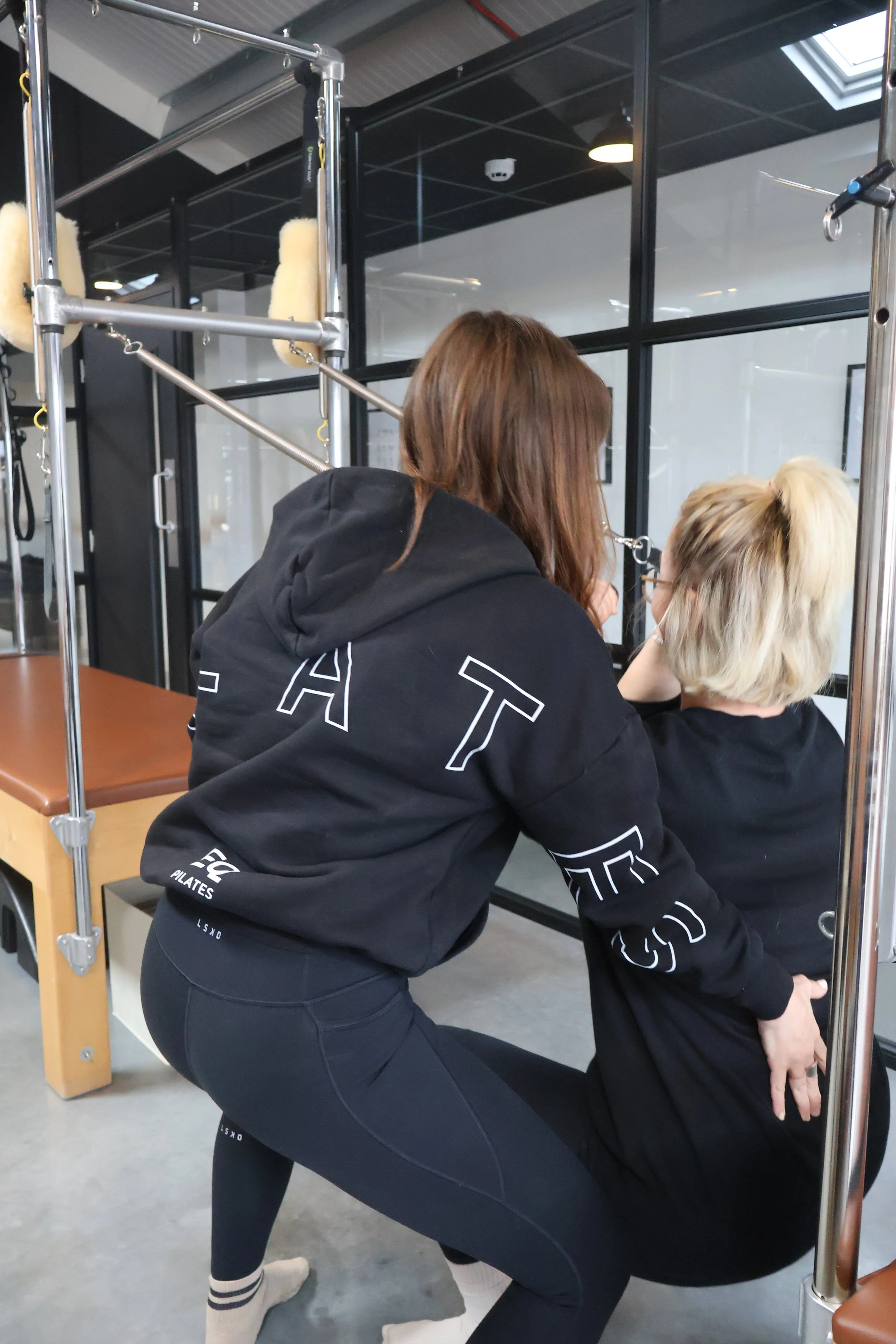
Open to It: Corrections, Cover Teachers and Change
Corrections aren’t criticism, cover teachers deserve a fair shot, and change at the studio is usually a sign we’re paying attention — not a sign something’s wrong. A few thoughts on staying open at EQ Pilates
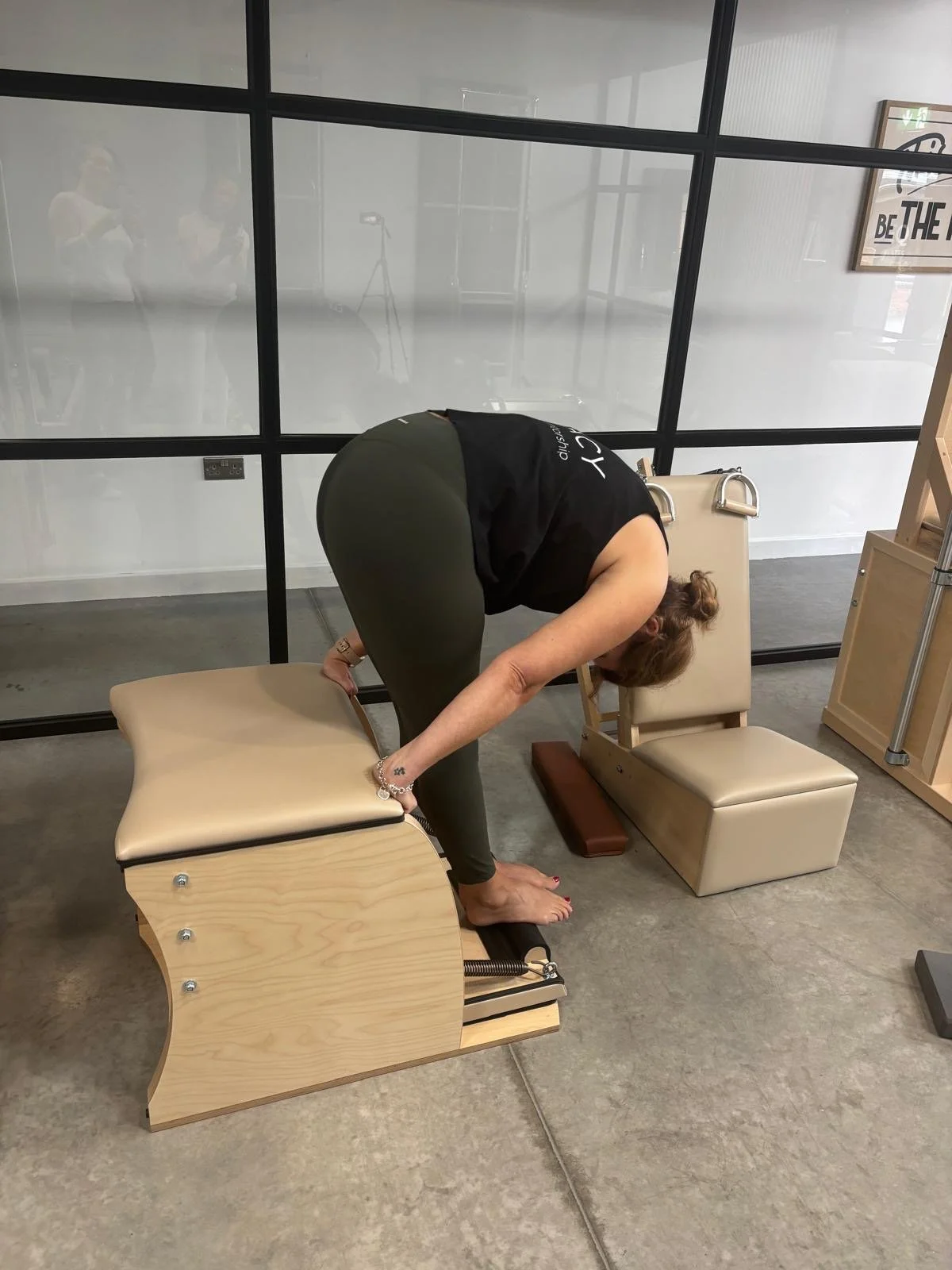
TRUST THE BUILD
Before we hand you the advanced work, we’re going to make you strong. Properly strong. The kind of strong where your body isn’t just going through the motions — it understands what it’s doing and why. That’s not us holding out on you. That’s us doing our job.
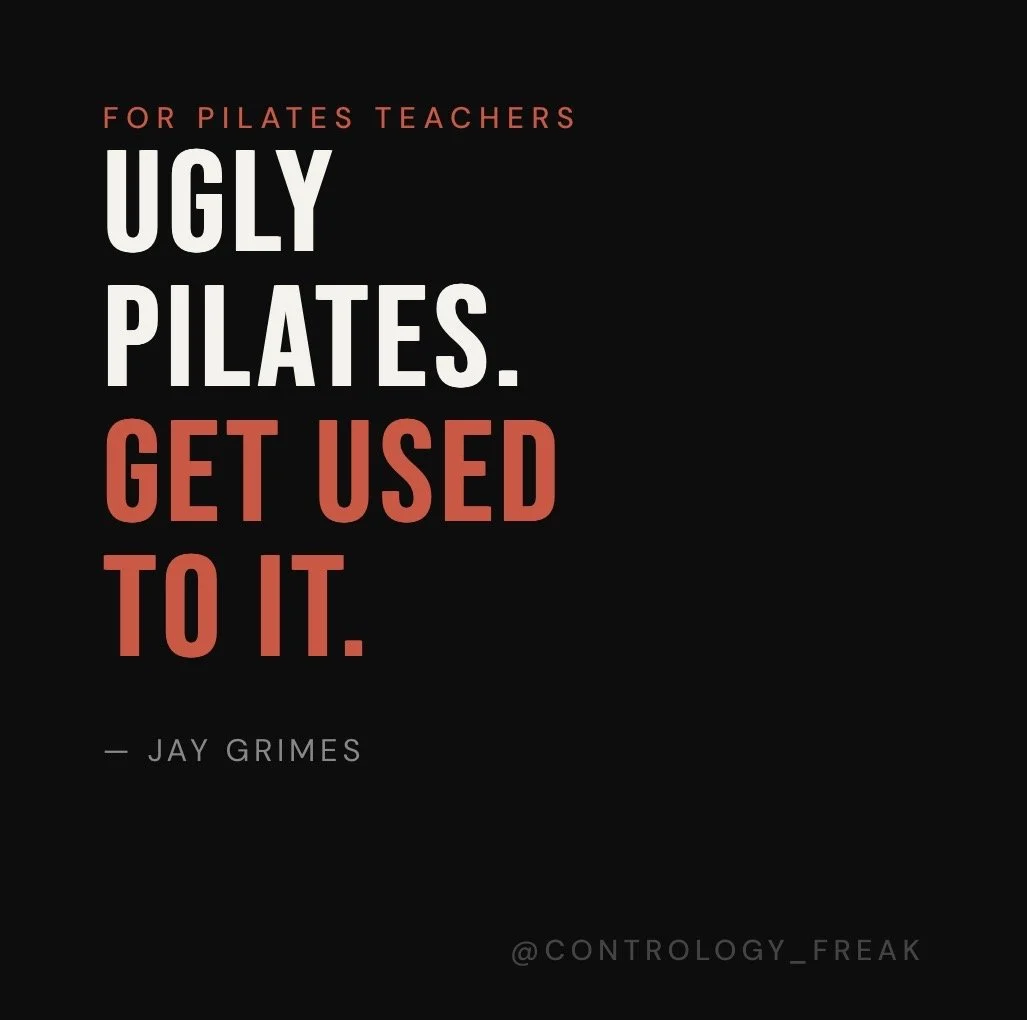
Ugly Pilates: Get Used to It
Most teachers have been there. A client whose form is all over the place, and the urge to correct everything. But Jay Grimes, direct student of Joseph Pilates, said it best: “Ugly Pilates — get used to it.” Just because it doesn’t look like the book doesn’t mean it doesn’t have value.
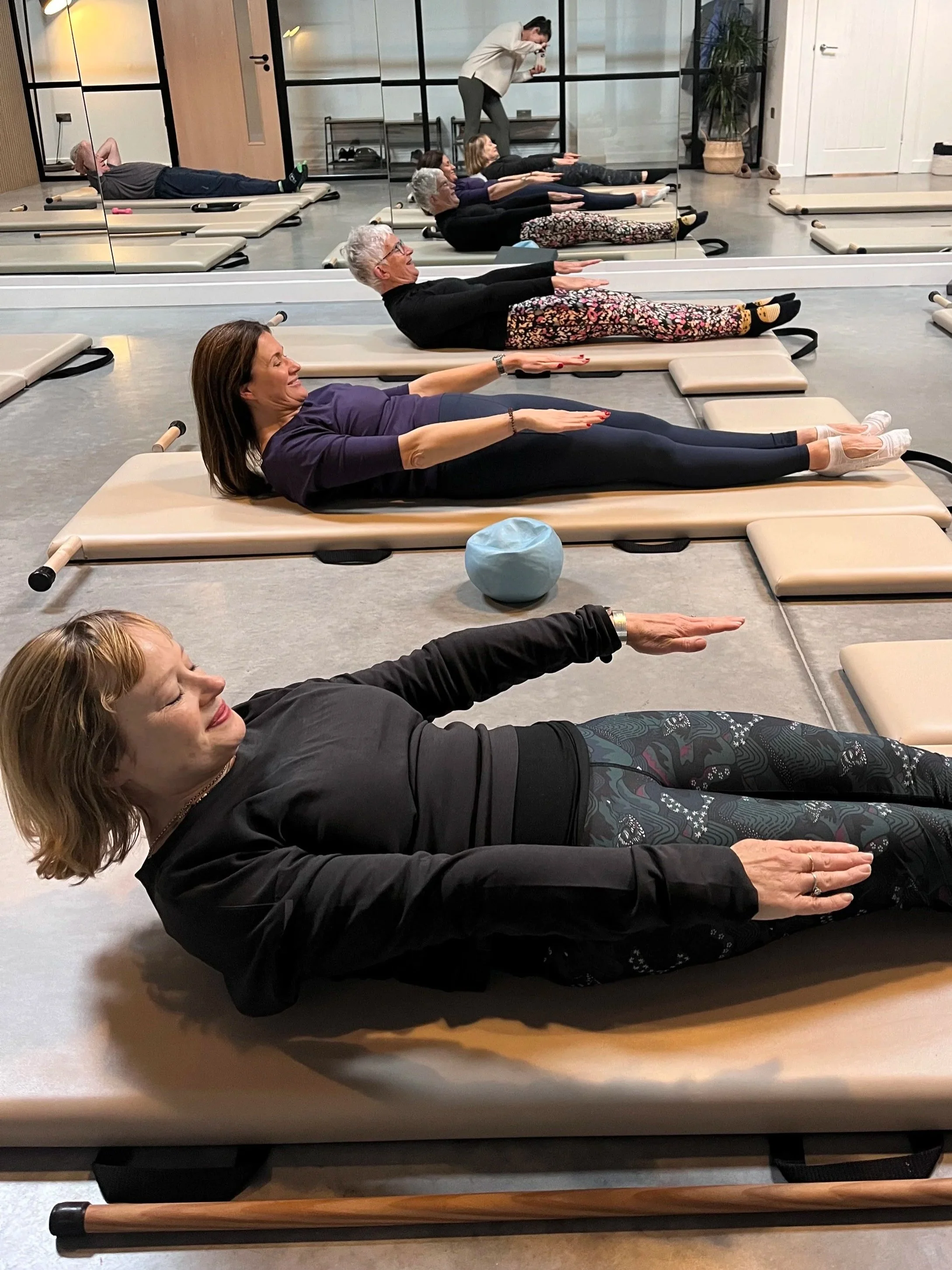
Eight exercises to start with on the mat.
The first eight Pilates mat exercises every student should learn — in the order Joseph Pilates taught them. Properly explained. Free to download.
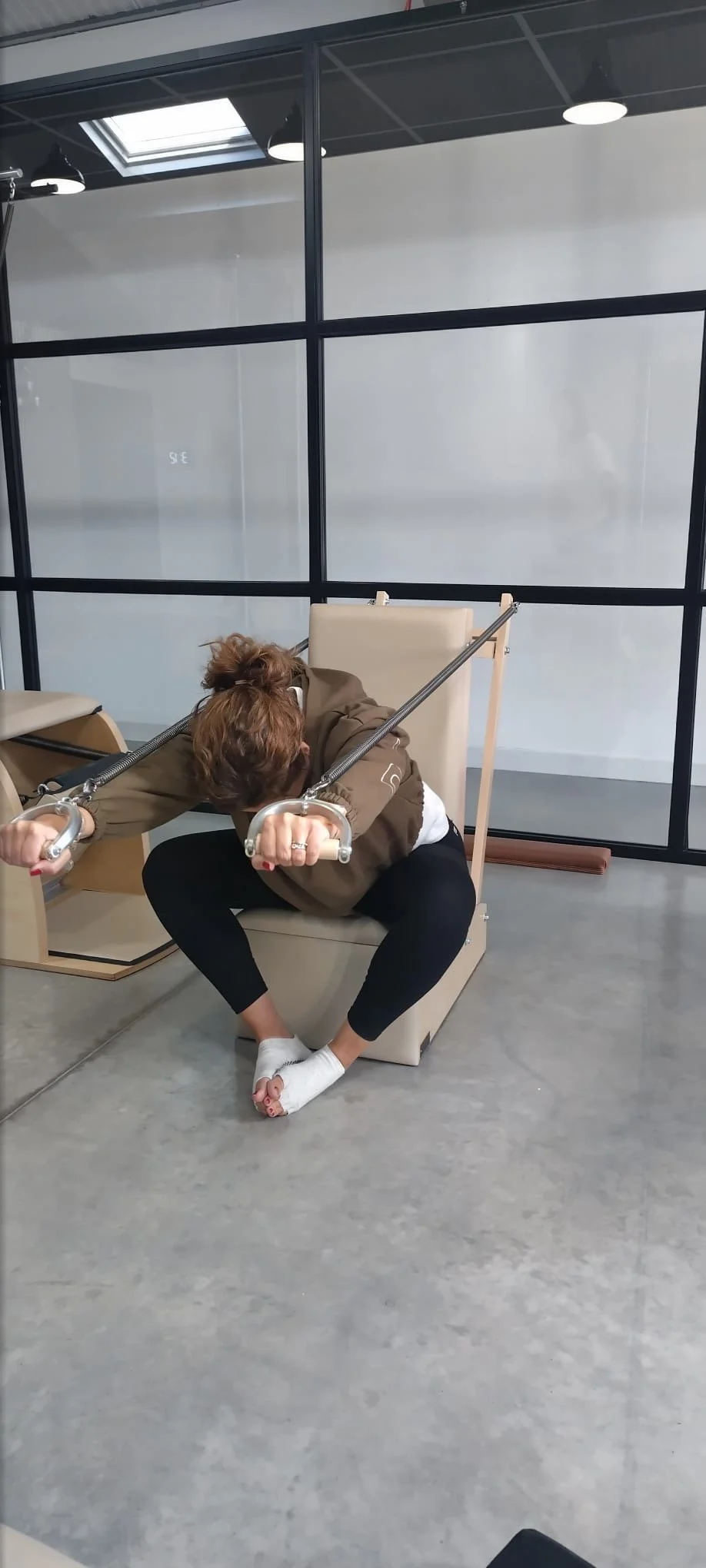
The Voice That Says You Can't Isn't Your Body
Most of us have stopped before we started — talked ourselves out of movement before our body got a vote. This isn’t about pushing through pain. It’s about learning to tell the difference between a real signal and a story you’ve been repeating so long it started to sound like fact.
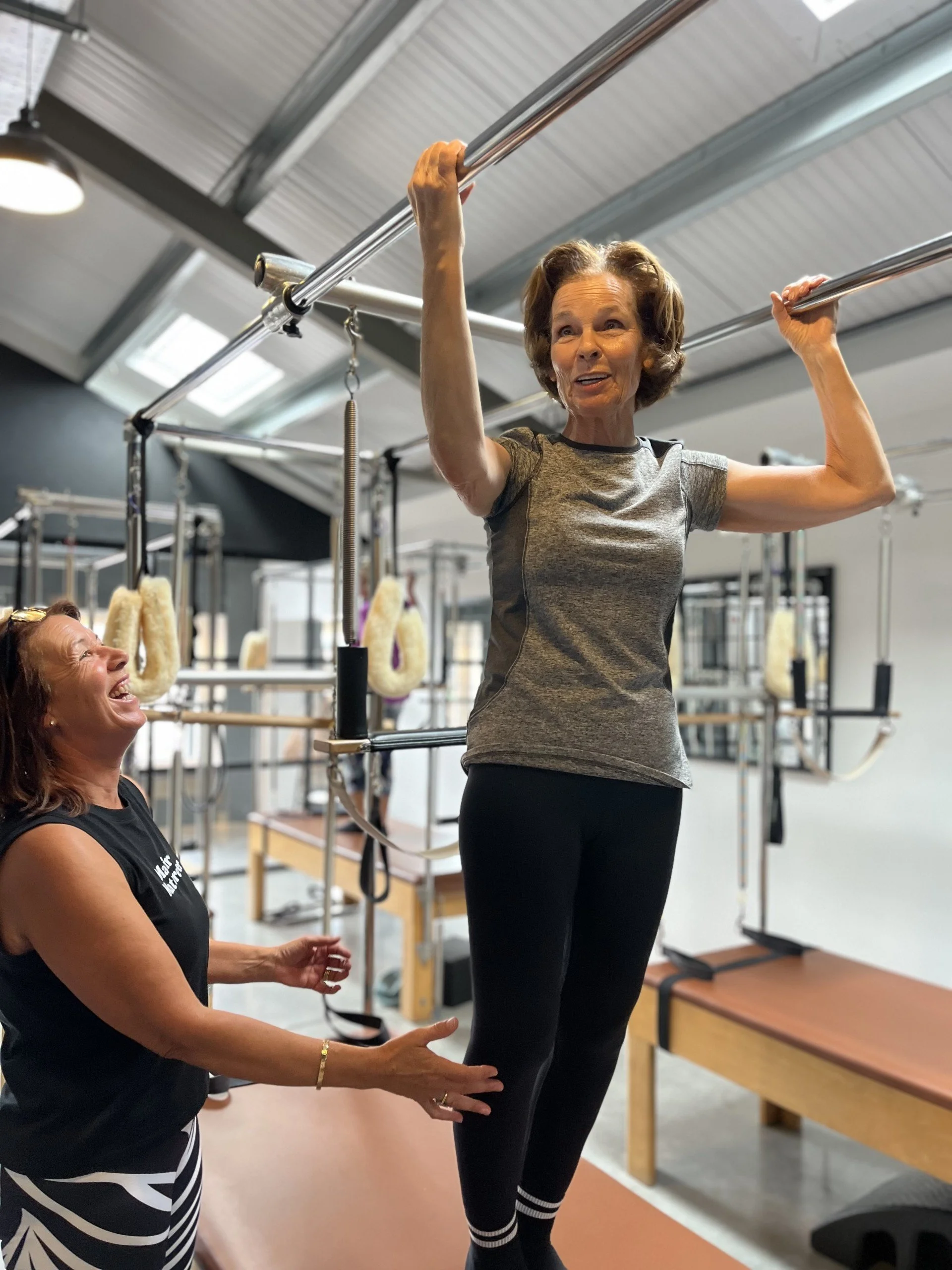
You're Not Wrong. You're Just Not Finished.
If you've done Pilates before — maybe for a while, maybe at several different places — and you've walked away with that quiet, nagging feeling that something wasn't quite there, I want you to know something:
You're not imagining it.
When the Body Hurts…
Around a quarter of the world's adults live with recurring pain. If that number includes you, there's a good chance you've been told you need to move more. And if you're honest, that advice probably makes you want to scream.
Because when your body hurts, movement doesn't feel like medicine. It feels like a threat.
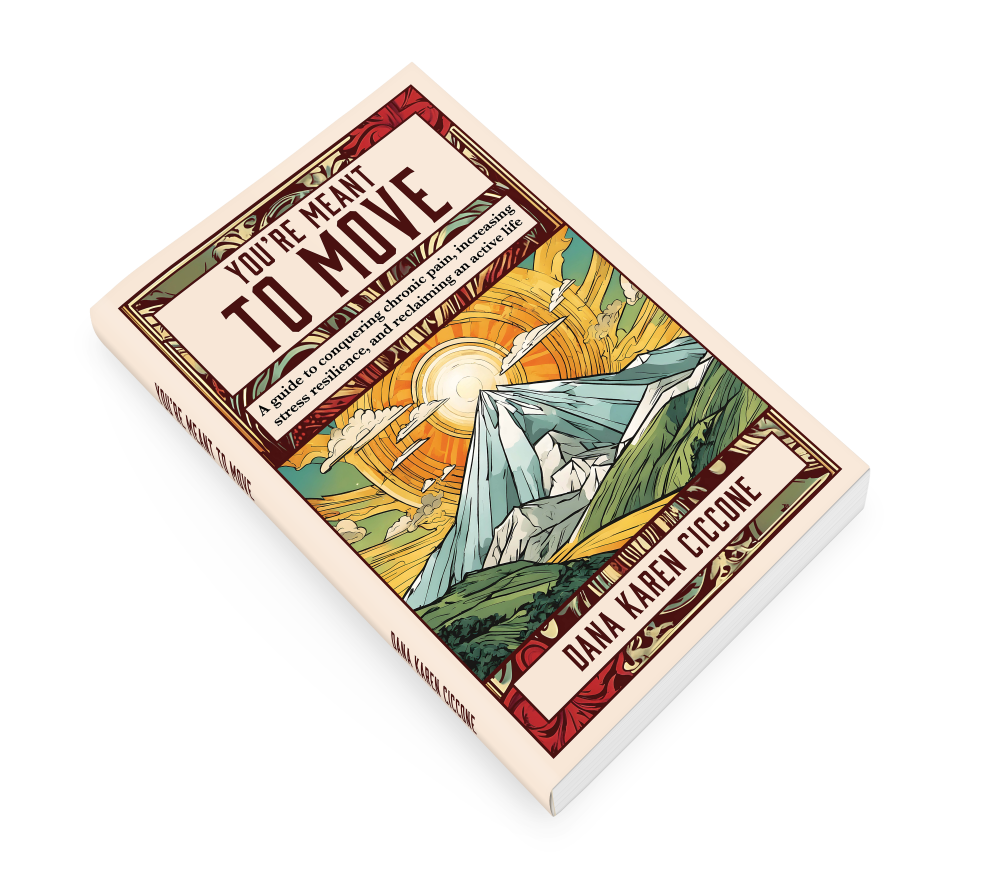
That's the starting point of You're Meant to Move by Dana Karen Ciccone — a book we've been reading at EQ, and one we think a lot of our clients need to hear. In May, DK is coming to the studio. Here's why we invited her.
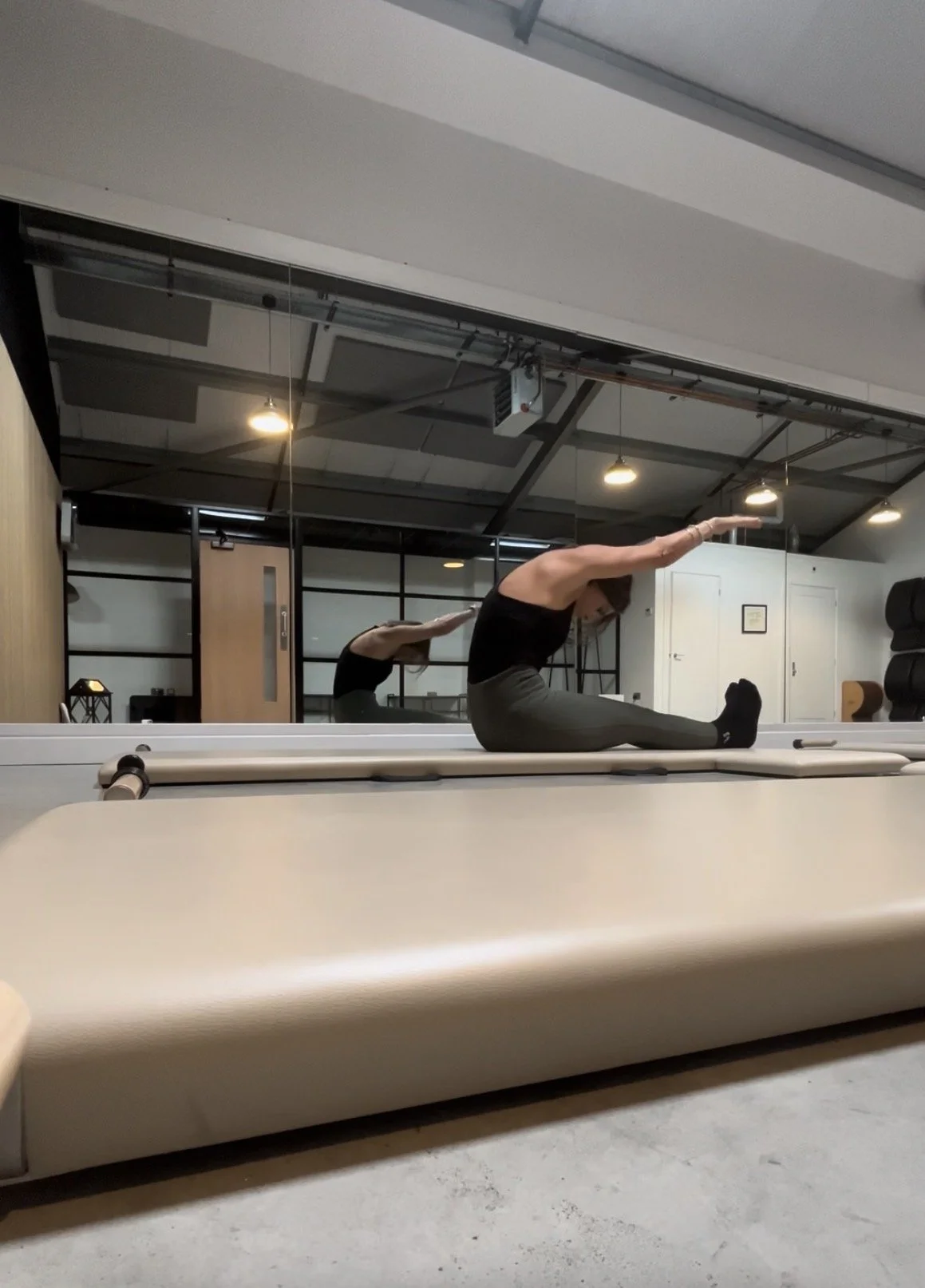
The One Rep Drill: What Happens When You Stop Performing
There’s a version of Pilates that looks good. Controlled lighting, the right angle, a body that knows it’s being watched. And then there’s practice. The one rep drill strips all of that away.
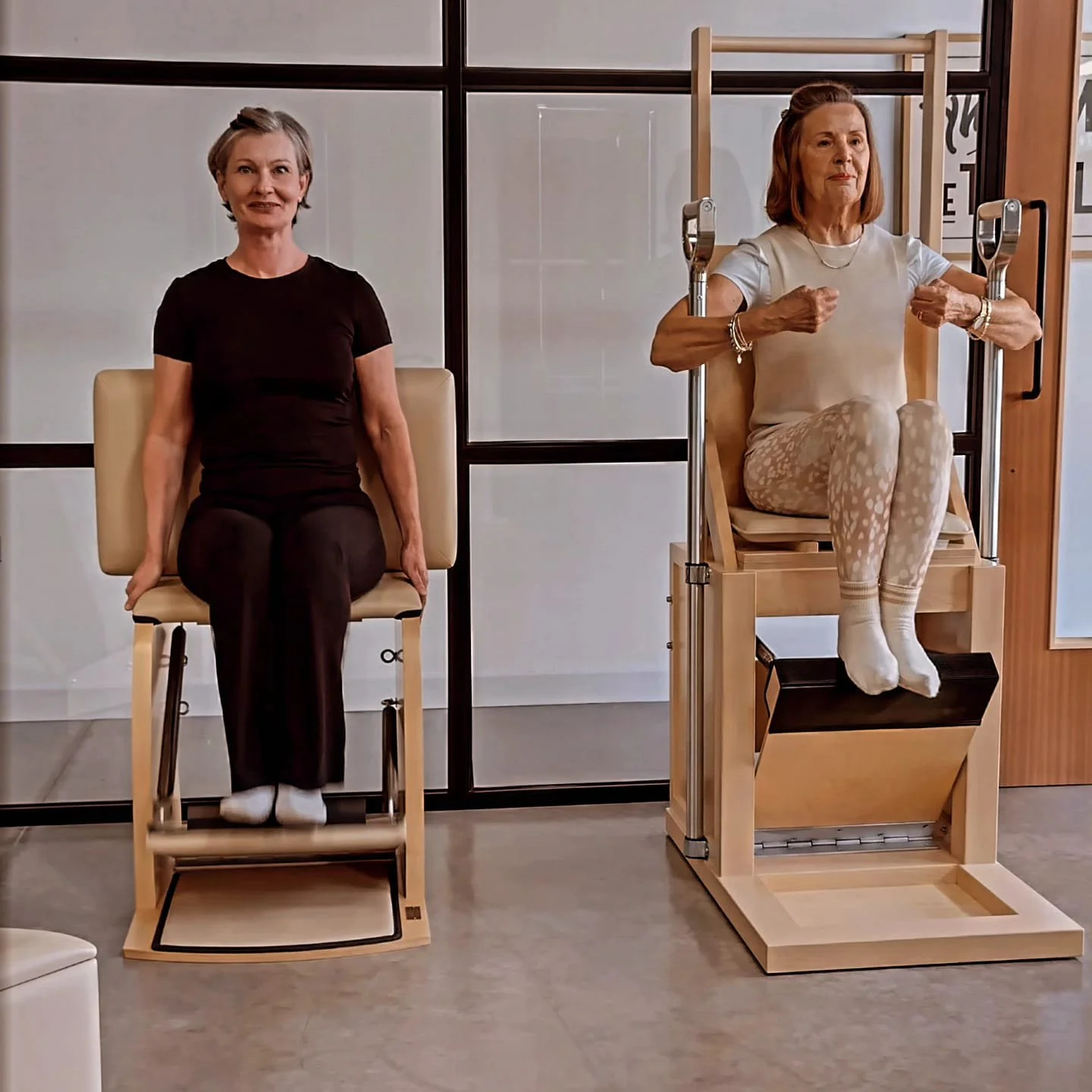
What the Chair Tells Us About How the Industry Understands Pilates
Something interesting is happening across the the Pilates world. Studios that have built their model around the Reformer are beginning to add the Chair to their timetables. It’s worth pausing on this — because the choice of what to add, and what not to add, reveals something about how Pilates is being understood at scale. What isn’t being added, in most cases, is Mat.
Long, lean, and completely made up - why scales were always the wrong measure
A set of scales measures gravitational pull. That's it. It cannot measure strength, stamina, or whether your body showed up for the things that mattered today. And it has nothing to do with what Pilates was ever designed for.

Why We Won't Ever Be a Wellness Space
The wellness industry wants studios to be everything to everyone. We've taken the opposite approach — spending twenty-five years going deeper into one methodology rather than broader across many. Here's why that matters, and what it means for your practice.
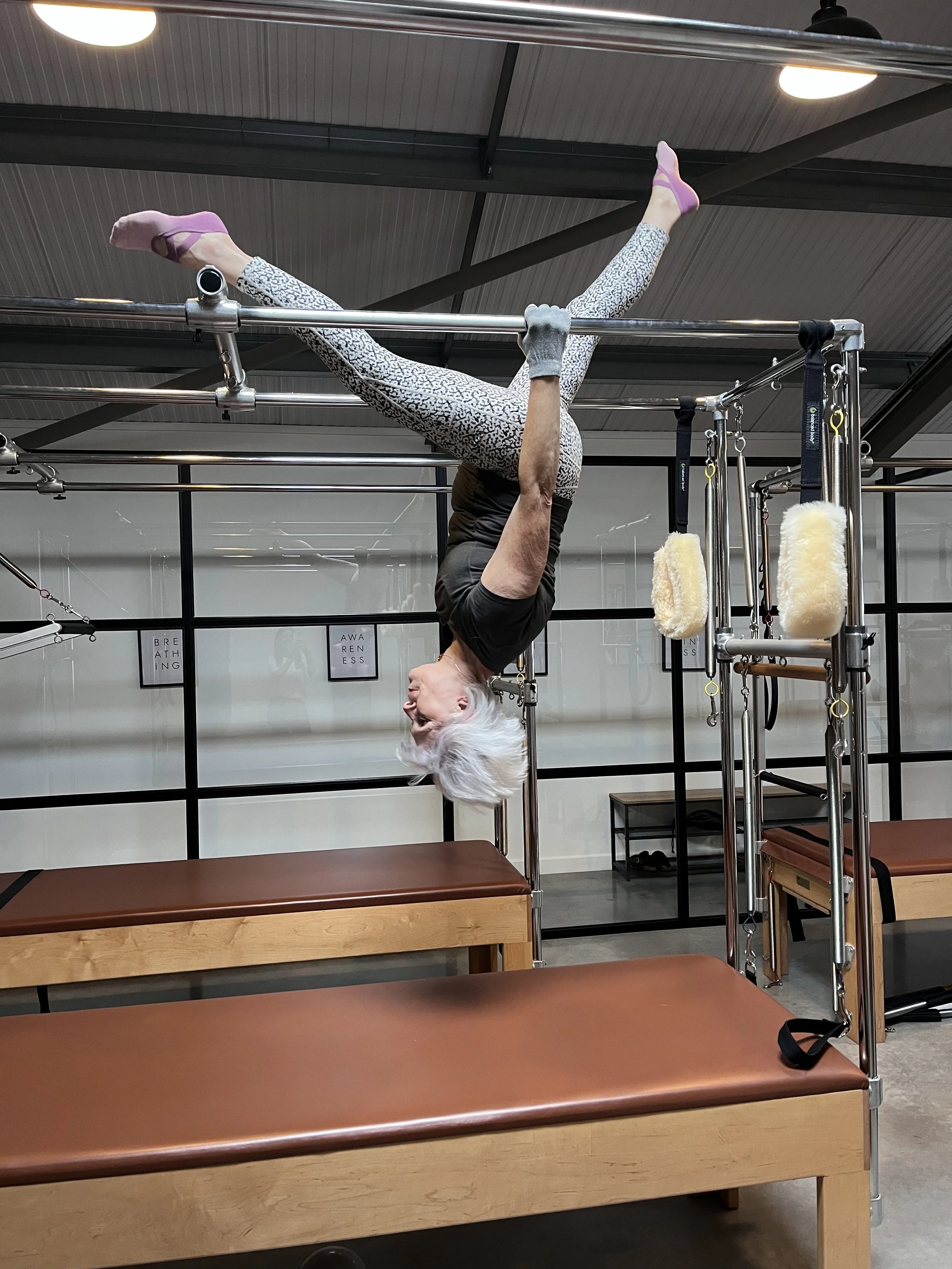
The one thing you actually control in your Pilates practice
Every new client does it. After the goals, the history, the chat about what brought them here - there's a pause. And then come the disclaimers. "I'm weak." "I'm uncoordinated." "I've never been good at this sort of thing." They're telling us all the reasons they can't do this before we've even started. Sound familiar?
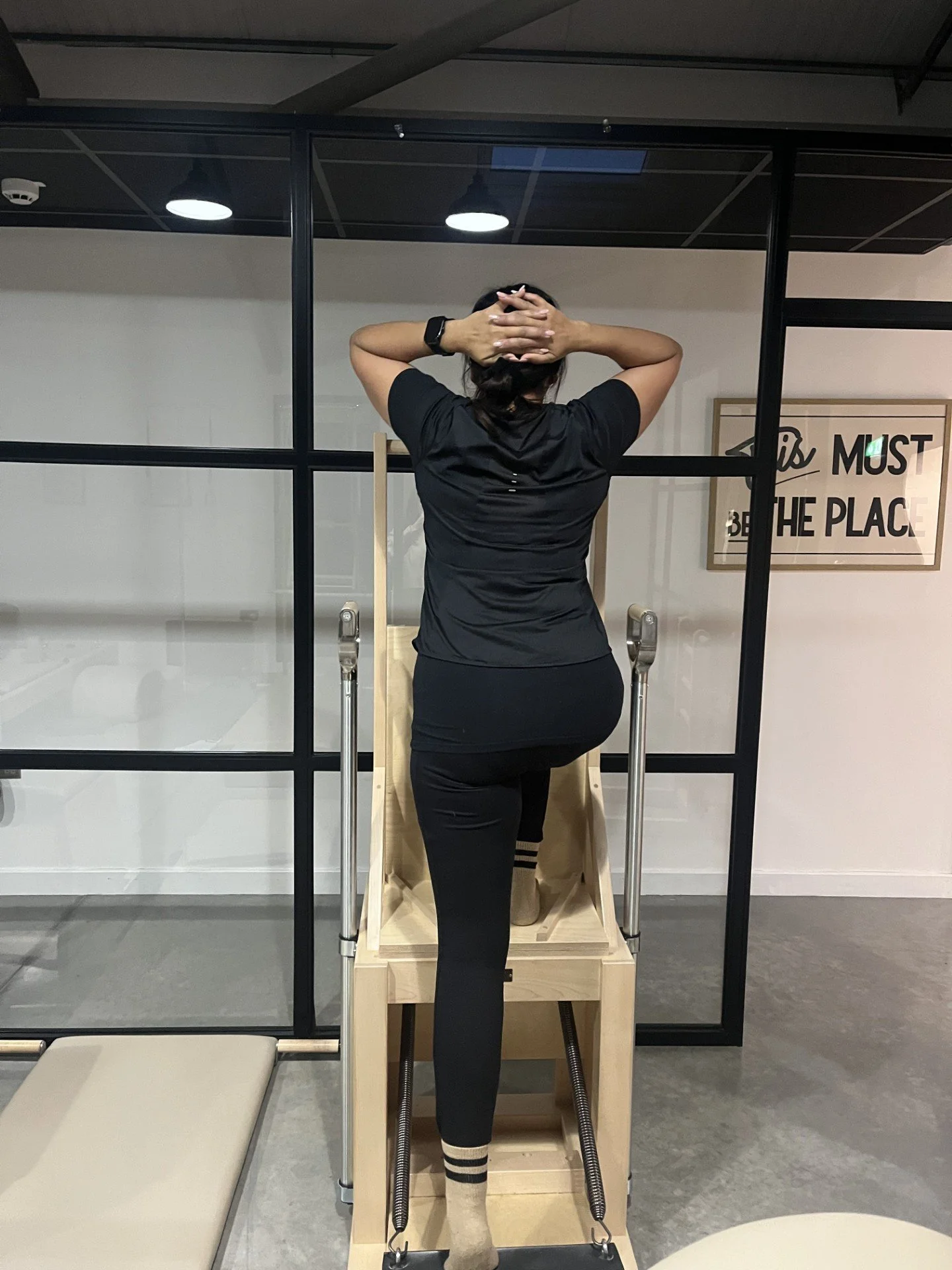
The Long Game: Building Strength, Not Party Tricks
Most people don't need to do the Snake. They need to feel better and get stronger. After 25 years, we've learned that the best results come from patient, consistent work—building skills and strength over months and years, not racing to flashy advanced exercises.
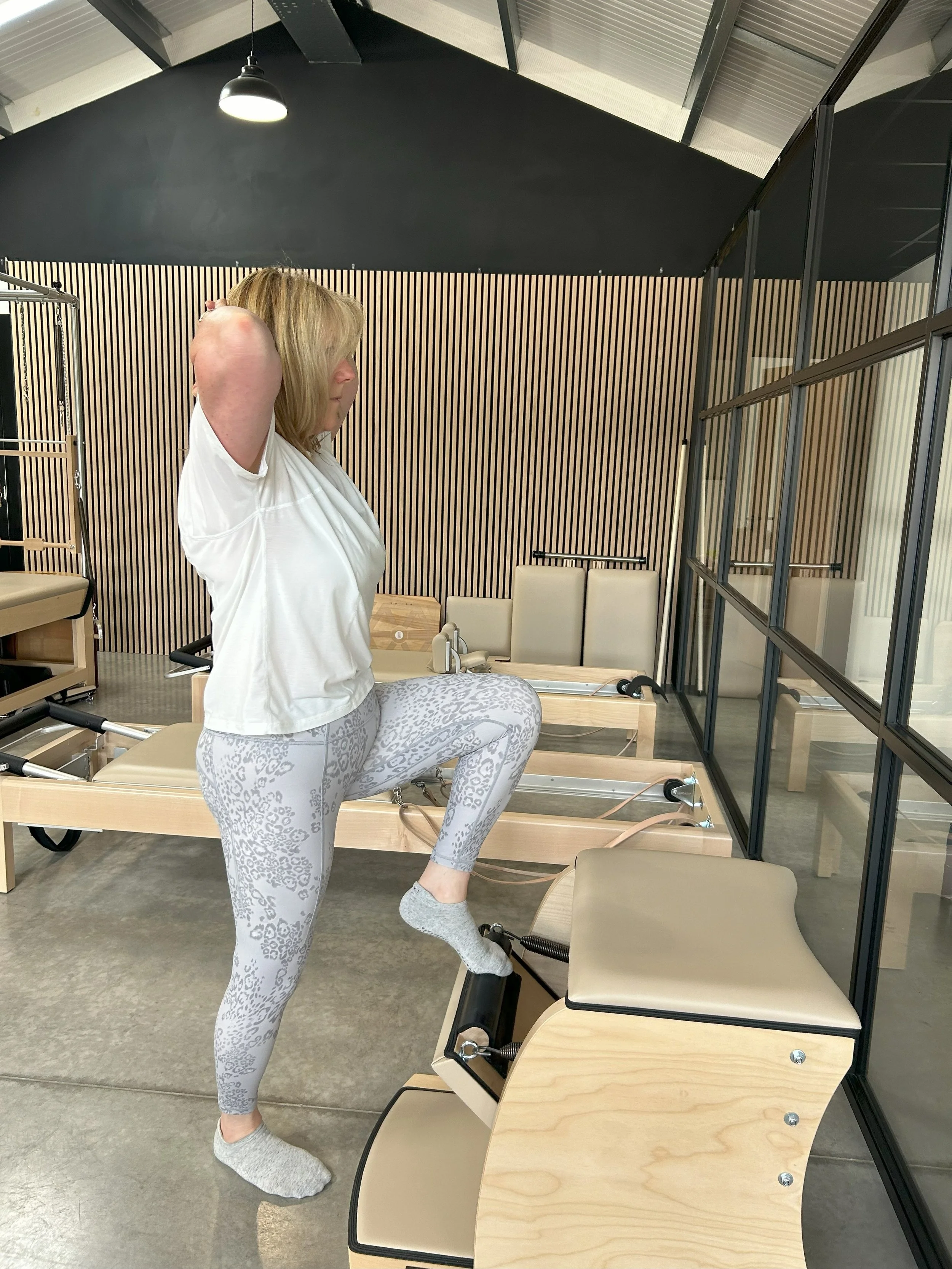
Integration, Not Isolation: What Pilates Actually Is
The parts that aren't moving are working just as hard as the parts that are.
Your still leg during Single Leg Stretch? That's not passive. It's actively reaching, actively engaged.
Your arms beside you during Footwork on the Reformer? They're not resting on the edges of the carriage. They're actively pressing down, opening your chest, engaging your back muscles.
Stillness doesn't come for free. It's not a given. It takes work.
That's Pilates. That's the whole body system at work.
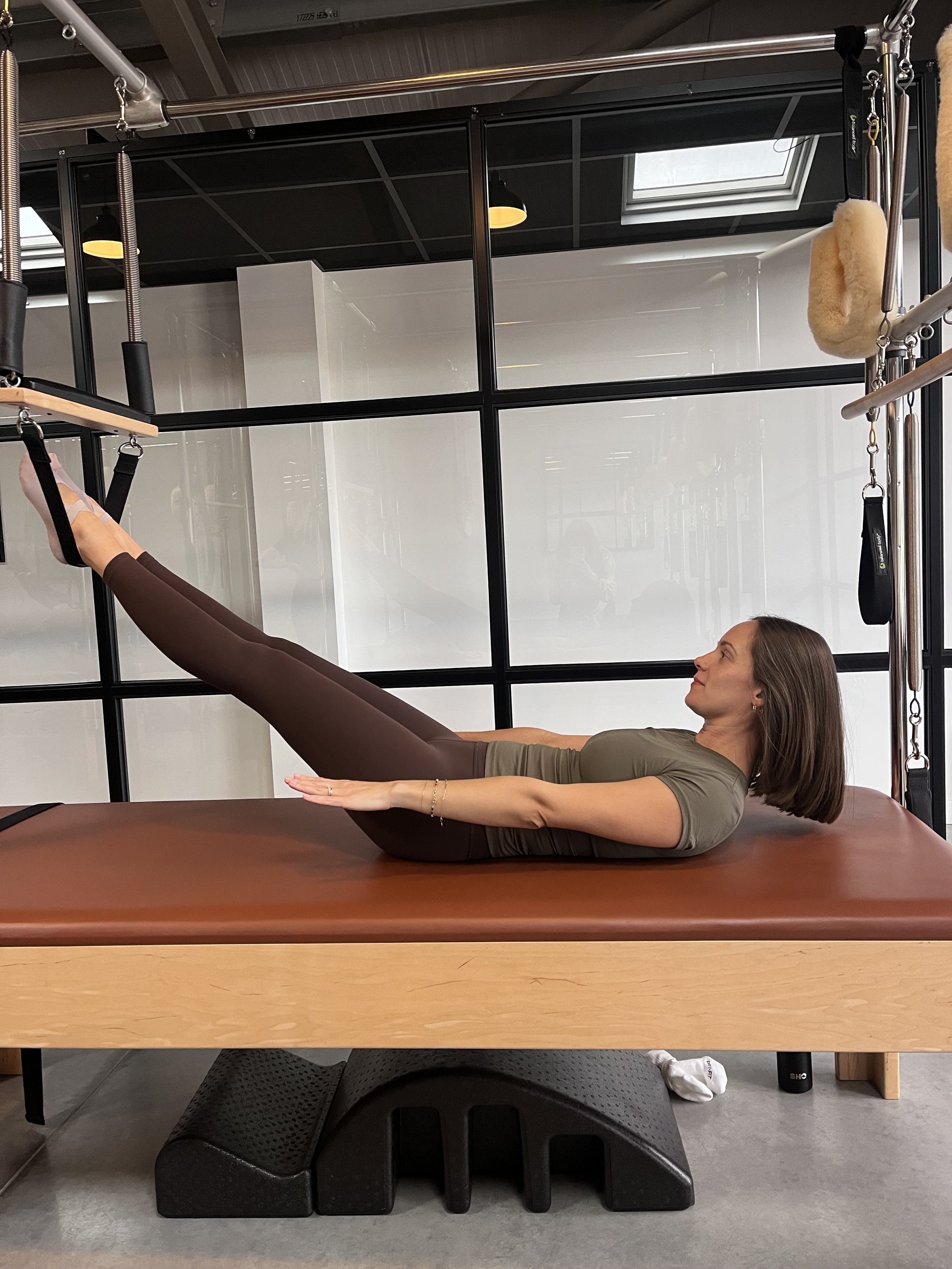
Advanced Doesn’t Mean Doing The Hardest Moves
There's a common misunderstanding in Pilates about what makes someone "advanced." People think it's about doing impressive-looking exercises - Snake on the Reformer, Teaser, the ones that look hard. It's not. Being advanced means doing simple movements with a developed brain. The difference between a beginner and a skilled practitioner isn't what they're doing - it's how their brain engages with what they're doing.
The Pilates Pendulum: Why Clients Are Seeking Substance Over Style
The fitness industry has a predictable rhythm. A discipline gains traction, explodes into mainstream consciousness, fragments into countless interpretations, and then - if it has genuine staying power - begins a slow swing back toward its foundations. We’re watching that pendulum swing in Pilates right now. Twelve to eighteen months ago, prospective clients would ask about showers and vibes. Now? They’re asking about instructor training, comprehensive methodology, and studio longevity. These aren’t the questions of someone looking for a trendy workout - these are the questions of someone who’s tried the trend, plateaued, and realized something was missing.
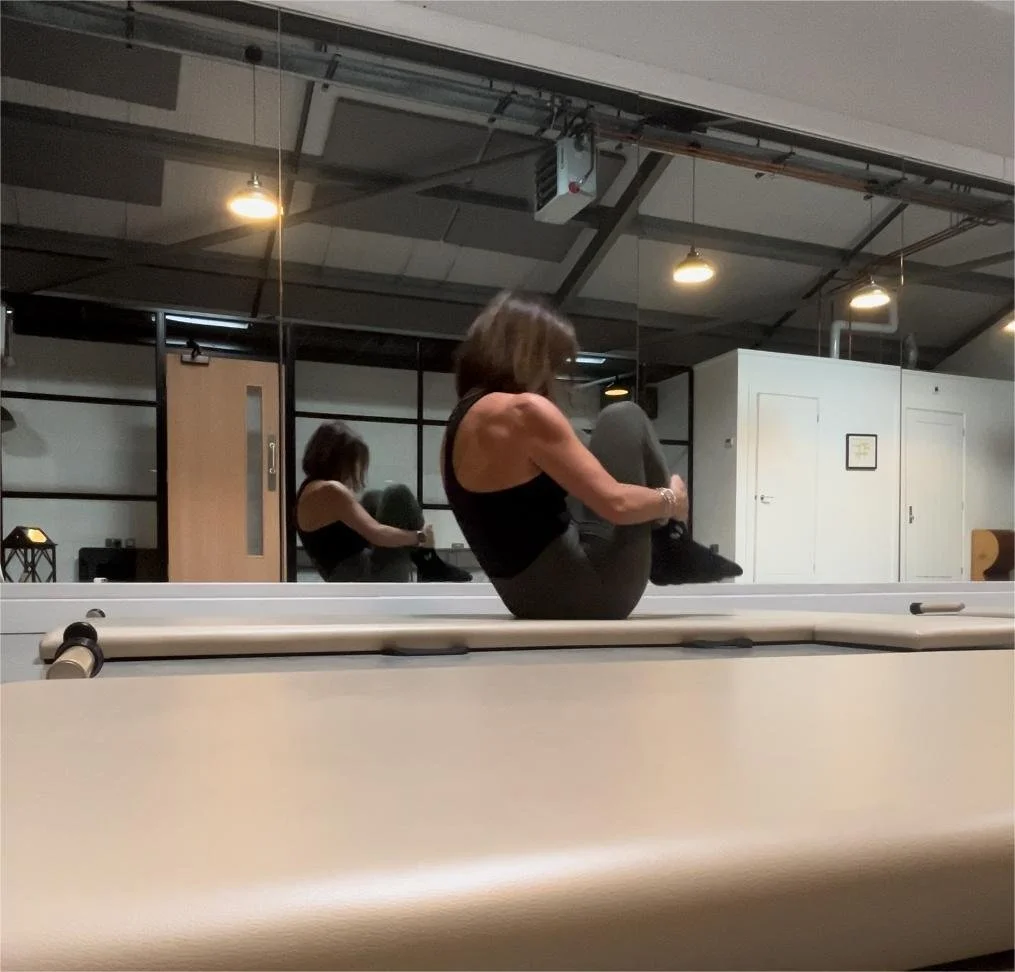
Why Mat and Apparatus Classes Are the Same Price (And Why That's Fair)
For years, equipment classes have cost more than Mat — as if the apparatus is what you're paying for. At EQ, all our classes are now the same price. Because the value isn't in the springs and straps. It's in the teaching.
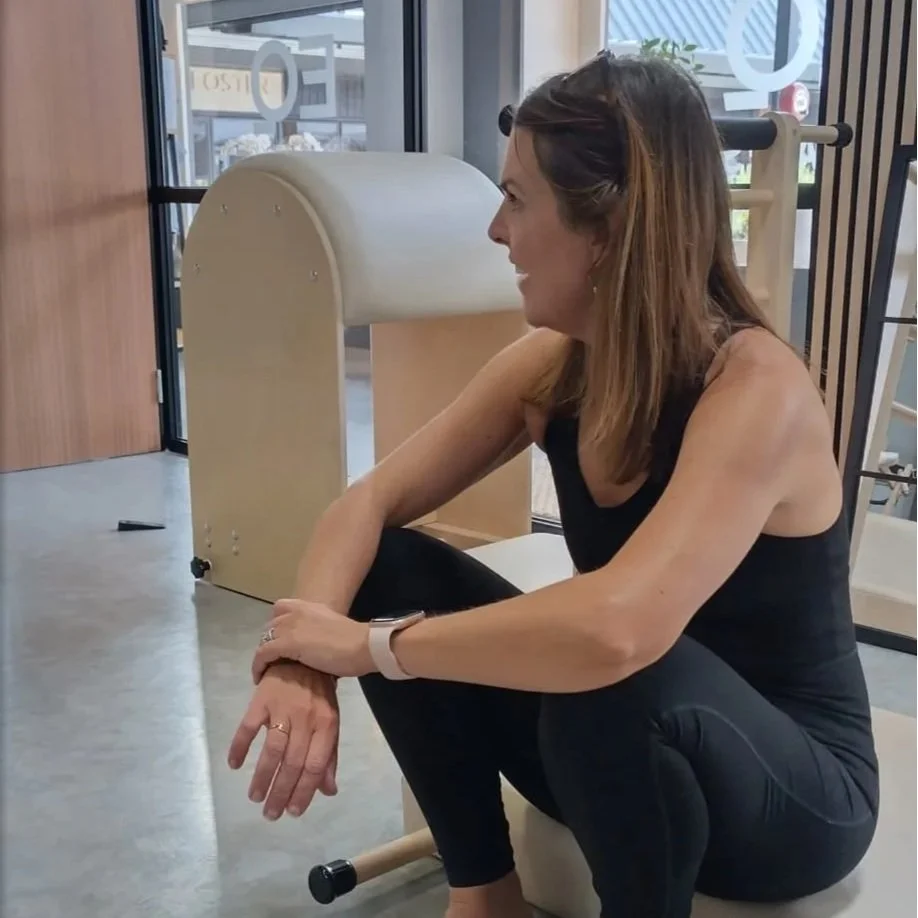
My First Year as a Mentor
My first year as a classical Pilates mentor taught me more than I expected. I learned about trust, self-compassion, and showing up through difficulty. But the real reward was watching my mentees’ personal practice grow—seeing them feel the work in their own bodies and understand through lived experience, not textbooks. This is what they’ll pass on to their students. Here’s what mentorship actually requires.
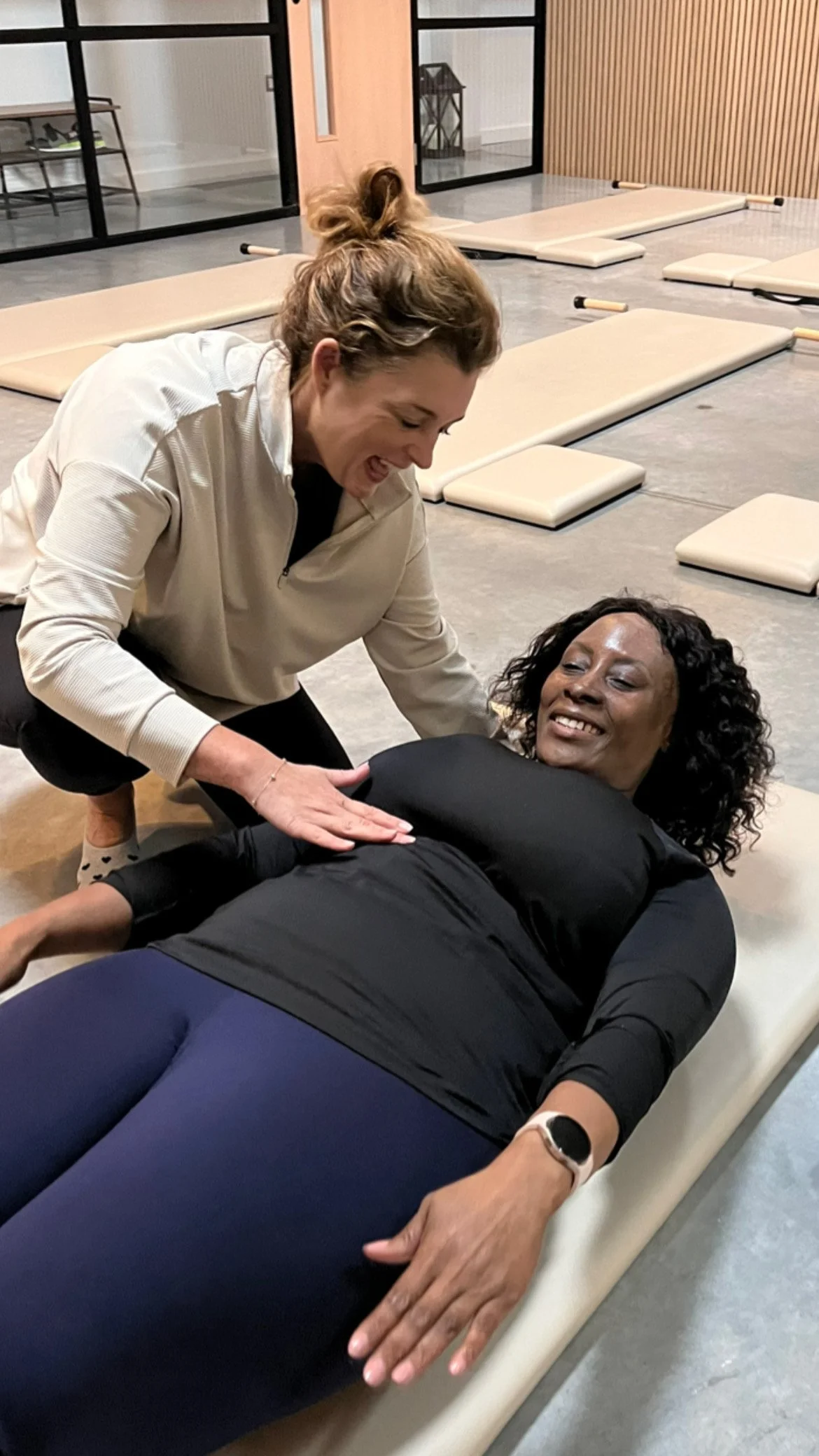
Why Your Hundred Feels Wrong (and How to Fix It)
Learn how to fix your Hundred and feel it in your centre, not your neck. Discover why EQ Pilates never skips this classical exercise in any class.